
 Need help?
Do you have a question about the Thermo King RD-MT and is the answer not in the manual?
 General
| Model | RD-MT |
|---|---|
| Refrigerant | R404A |
| Power Source | Diesel |
| Cooling Capacity | Varies by model |
| Temperature Range | -29°C to +21°C (-20°F to +70°F) |
| Refrigeration Capacity | Varies by model |
| Weight | Varies by model |
| Dimensions | Varies by model |
| Airflow | Varies by model |
General safety guidelines for operating and maintaining the unit.
Information on automatic unit startup and shutdown procedures.
Precautions and hazards associated with handling refrigerants.
Immediate first aid procedures for common workplace injuries.
Safety precautions when working with refrigerant oils.
Risks and safety measures related to electrical components.
Guidelines to prevent damage when servicing microprocessor components.
Procedures to prevent electronic damage during welding operations.
Safety precautions and first aid for high voltage electrical hazards.
Information on potential hazards associated with low voltage circuits.
Detailed specifications for the TK 3.95 engine.
Specifications for the R-404A refrigeration system components.
Specifications for the Hilliard centrifugal clutch.
Specifications for the unit's air switch setting.
Specifications for belt tensioning procedures and values.
Specifications for the unit's electrical control system components.
Specifications for various electrical components including current draw and resistance.
Specifications for the thermostat type, range, and heat lockout.
Specifications for the electric standby motor and power requirements.
Maintenance schedule for the unit's engine.
Maintenance schedule for electrical system components.
Maintenance schedule for the refrigeration system.
Maintenance schedule for structural components of the unit.
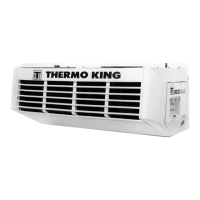
Overview of the Thermo King RD-MT unit and its models.
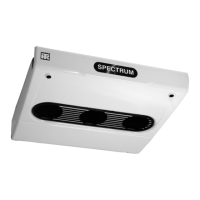
Description of the Spectrum remote evaporator unit.
Description and features of the TG-V microprocessor controller.
Explanation of how the unit operates under various conditions.
Guide to interpreting the mode of operation charts.
Charts detailing unit operating modes based on thermostat and defrost demands.
Description of the refrigerant flow in Zone 1 and Zone 2 during cool operation.
Description of the refrigerant flow in Zone 1 and Zone 2 during heat operation.
Operating modes for two-compartment continuous run using the engine.
Operating modes for single-compartment continuous run using the engine.
Explanation of the CYCLE-SENTRY system's features and operation.
Description of unit operation during electric standby mode.
Explanation of the defrost cycle and its initiation methods.
Locations for identifying unit, engine, compressor, and motor serial numbers.
Description of the controls on the TG-V multi-temp control box.
Description of the TG-V in-cab controller functions and keys.
Overview of the unit's control panel components and functions.
Functionality of the switch selecting between Auto Start/Stop and Continuous Run.
Indicator light function for CYCLE-SENTRY system operation.
Description of the engine reset button and its function.
Function of the SELECT key for navigating display options.
Function of the UP key for adjusting setpoints.
Function of the DOWN key for adjusting setpoints.
Function of the key to initiate Zone 2 defrost.
Function of the key to initiate Zone 1 defrost.
Function of the ENTER key for confirming inputs.
Function of the key to lock out high speed operation.
Description of the electric standby power receptacle and its switches.
Description of additional controls like defrost switches and indicators.
Explanation of the devices that protect the unit from various faults.
General overview of unit operation procedures.
Recommended steps for performing a pretrip inspection of the unit.
Procedure for starting the unit using the auto start diesel function.
Procedure for manually starting the unit on diesel operation.
Procedure for starting CYCLE-SENTRY units on diesel operation.
Explanation of the unit's operation in continuous run mode.
Detailed explanation of the CYCLE-SENTRY system's operation and benefits.
Procedure for starting the unit using electric operation.
Procedure for starting the Zone 2 evaporator.
Checks to perform after the unit has started.
Guidelines for loading product into the refrigerated compartment.
Checks to perform after loading product and starting the unit.
Checks to perform after completing a trip or operation.
Maintenance and testing procedures for the Prestolite alternator.
Inspection and maintenance of the unit's battery.
Information and troubleshooting for the unit's charging system.
Inspection guidelines for unit wiring and harnesses.
Description and testing of the glow plug system.
Explanation and troubleshooting of the engine reset switch.
Description and testing of the high water temperature switch.
Description and testing of the low oil pressure switch.
Overview and troubleshooting of various circuit breakers.
Information on the 7X-CH circuit fuse and its function.
Description and function of the unloading timer.
Procedure for testing the unloading timer.
Location and function of the control circuit fuse.
General information on the unit's defrost system.
Procedure for defrost cycle initiation in diesel operation for Zone 1.
Procedure for defrost cycle initiation in electric operation for Zone 1.
Steps to verify the proper functioning of the Zone 1 defrost cycle.
Troubleshooting steps when Zone 1 evaporator fails to defrost.
Troubleshooting when Zone 1 defrost cycle does not terminate.
Troubleshooting steps for Zone 1 evaporator stuck in defrost.
Troubleshooting for Zone 1 evaporator failing to terminate defrost within 45 minutes.
Procedure for defrost cycle initiation in diesel operation for Zone 2.
Procedure for defrost cycle initiation in electric operation for Zone 2.
Steps to verify the proper functioning of the Zone 2 defrost cycle.
Troubleshooting steps when Zone 2 evaporator fails to defrost.
Troubleshooting when Zone 2 defrost cycle does not terminate.
Troubleshooting steps for Zone 2 evaporator stuck in defrost.
Troubleshooting for Zone 2 evaporator failing to terminate defrost within 45 minutes.
Description of components within the defrost system.
Description and testing of defrost termination switches.
Function and operation of defrost relays.
Description and function of air switches for defrost initiation.
Procedure for testing and adjusting air switches.
Description of the fan speed control circuit.
Notes and precautions regarding circuit board maintenance.
Reference to further information on the CYCLE-SENTRY option.
Configuration of option board jumpers for different applications.
Identification of components on the multi-temp relay board.
Description of AC components including contactors and overload relays.
Testing and maintenance of contactors.
Function and reset procedure for the overload relay.
Description of the in-cab TG-V controller and its features.
Procedure for field testing multi-temperature In-Cab TG-V controllers.
Pin identification for the multi-temperature In-Cab TG-V controller connector.
Description of the Door Sentry II system for temperature control.
Operational changes when the Zone 1 door is opened.
Operational changes when the Zone 2 door is opened.
Combined operational effects when both doors are opened.
Detailed functions of the Door Sentry II relays.
Summary of Door Sentry-II operations based on compartment modes.
Description of the EMI 2000 extended maintenance interval package.
Explanation of the TK 3.95 engine's lubrication system.
Procedure and recommendations for changing engine oil.
Procedure for changing the engine oil filter.
Maintenance and inspection of the crankcase breather system.
Information and maintenance for the engine air cleaner.
Description of the oil bath type air cleaner.
Description of the optional dry element air cleaner.
Details on the optional dry air cleaner and its restriction indicator.
Description of the engine's cooling system and its components.
Information on Extended Life Coolant (ELC) and its use.
Procedures for maintaining antifreeze in the cooling system.
Methods for checking antifreeze concentration and condition.
Procedure for changing the antifreeze in the cooling system.
Procedure for bleeding air from the engine cooling system.
Information on the engine thermostat and its recommended temperature.
Description of the TK 3.95 diesel engine's fuel system.
Procedure for bleeding air from the fuel system.
Consequences of water in the fuel system and its removal.
Procedure for replacing the fuel filter.
Description, operation, and maintenance of the electric fuel pump.
Description of the fuel solenoid system and its components.
Explanation of how the fuel solenoid timer controls the solenoid.
Diagnostic procedures for the fuel solenoid system.
Procedure for replacing the fuel solenoid.
Procedures for adjusting engine speed settings.
Information related to the injection pump.
Procedure for removing the injection pump from the engine.
Procedure for installing the injection pump onto the engine.
Procedure for timing the injection pump correctly to the engine.
Procedure for timing individual engine cylinders.
Information on fuel limit and speed stop screws.
Procedure for adjusting engine valve clearances.
Description of the engine mounting system components.
Inspection and maintenance guidelines for drive belts.
Procedure for adjusting the engine-to-compressor belt tension.
Procedure for adjusting the compressor-to-alternator belt tension.
Procedure for adjusting the compressor-to-electric motor belt tension.
Procedure for adjusting the water pump belt tension.
Procedures for checking and maintaining the refrigerant charge.
Steps for evacuating and charging the refrigeration system.
Procedure to test refrigerant charge in an empty truck.
Procedure to test refrigerant charge in a loaded truck.
Procedure to identify and correct an overcharge of refrigerant.
Procedure for adjusting the refrigerant level in the system.
Description and interpretation of moisture indicating sight glasses.
Methods for detecting and testing for refrigerant leaks.
Procedure for checking the compressor oil level.
Description and testing of the high pressure cutout switch.
Steps to set up electrical controls for evacuation and charging.
Procedure for setting up and testing evacuation equipment.
Procedure for evacuating the refrigeration system.
Procedure for charging the refrigeration system with refrigerant.
Procedure for safely removing evacuation hoses.
Procedure for commissioning the unit after major service.
Procedure for performing a low side pump down.
Procedures for compressor removal and installation.
Procedures for condenser/radiator coil removal and installation.
Procedure for drier removal and installation.
Removal and installation of pressure cutout switches.
Removal and installation of the high pressure relief valve.
Procedure for accumulator removal and installation.
Procedure for receiver tank removal and installation.
Procedure for repairing the condenser inlet check valve.
Repair procedures for suction and purge check valves.
Replacement procedures for suction and purge check valves.
Information and procedures for in-line check valves.
Removal and installation of the receiver tank pressure solenoid valve.
Removal and installation procedures for the purge valve.
Removal and disassembly procedures for the throttling valve.
Procedure for changing the compressor oil filter.
Procedure for changing the large truck unit centrifugal clutch.
General inspection and maintenance for the clutch assembly.
List of tools needed for clutch maintenance.
Specification for the recommended clutch grease.
Step-by-step procedure for disassembling the clutch.
Procedure for assembling the clutch with new bearings and seal.
Procedure for checking and tightening unit mounting bolts.
Maintenance and cleaning of coils to ensure proper airflow.
Guidelines for positioning the fan and hub assembly.
General inspection points for the unit's structural integrity.
Troubleshooting steps when unit lights do not illuminate.
Troubleshooting steps when the engine fails to crank.
Troubleshooting steps when the engine cranks but won't start.
Troubleshooting steps when the engine stops after starting.
Troubleshooting steps when the engine lacks full power.
Troubleshooting steps for excessive engine speed.
Troubleshooting steps when the engine does not stop.
Troubleshooting steps for engine knocking sounds.
Troubleshooting steps when the engine overheats.
Troubleshooting steps for low or dropping oil pressure.
Troubleshooting steps for excessive oil consumption.
Troubleshooting steps for battery charging issues.
Diagnosing engine issues based on exhaust smoke color (white, black, blue).
Troubleshooting steps when the run relay fails to energize.
Troubleshooting when preheating is manual, not automatic.
Troubleshooting when preheat is automatic but run relay does not energize.
Troubleshooting fuel solenoid behavior between modes.
Troubleshooting when automatic cranking fails but manual works.
Troubleshooting when automatic preheating occurs but cranking fails.
Troubleshooting premature cranking before preheat is complete.
Troubleshooting when cranking occurs late after preheat.
Troubleshooting starter engagement time issues.
Troubleshooting starter disengagement before engine starts.
Troubleshooting when starter remains engaged after engine start.
Troubleshooting starter engagement duration issues.
Troubleshooting when unit switch is on but indicator lights are off.
Troubleshooting when motor doesn't run despite indicator lights.
Troubleshooting when electric motor hums but doesn't operate.
Troubleshooting causes of contact chatter in electrical components.
Troubleshooting causes of contact welding or freezing.
Troubleshooting when the battery is not recharging.
Diagnosing rapid cycling between cooling and heating modes.
Diagnosing cooling issues during heat or defrost cycles.
Diagnosing heating issues in the refrigeration cycle.
Diagnosing and resolving high head pressure conditions.
Diagnosing and resolving low head pressure conditions.
Diagnosing and resolving lack of head pressure.
Diagnosing and resolving high suction pressure conditions.
Diagnosing and resolving low suction pressure conditions.
Diagnosing and resolving lack of suction pressure.
Diagnosing issues related to unit operating in a vacuum.
Diagnosing issues when the receiver sight glass is empty.
Diagnosing issues related to suction line frosting.
Troubleshooting inability to pump down the system.
Troubleshooting inability to pull vacuum in the low side.
Troubleshooting inability to hold vacuum in the low side.
Diagnosing causes of a noisy compressor.
Troubleshooting when the unit is not refrigerating.
Troubleshooting when the unit is not heating or defrosting.
Diagnosing issues with an over-open expansion valve.
Diagnosing issues with an under-open expansion valve.
Diagnosing expansion valve needle erosion or leakage.
Diagnosing expansion valve blockage.
Diagnosing liquid refrigerant entering the compressor.
Diagnosing low side line restrictions.
Diagnosing high side line restrictions.
Diagnosing issues related to a restricted drier.
Troubleshooting when the evaporator fan runs continuously.
Troubleshooting when the evaporator fan does not run.
Diagnosing issues related to a back-seated discharge valve.
Diagnosing issues related to a back-seated suction valve.
Diagnosing a faulty Condenser Inlet Solenoid.
Diagnosing a faulty Hot Gas Solenoid.
Diagnosing issues from loose or broken electrical connections.
Diagnosing a faulty thermostat.
Diagnosing issues with an uncalibrated pressure gauge.
Diagnosing a leaky receiver tank outlet valve.
Diagnosing issues with leaky check valves.
Diagnosing a faulty check valve.
Diagnosing a leaky receiver tank pressure solenoid.
Diagnosing issues with a closed receiver tank pressure solenoid.
Diagnosing a leaky Zone 1 hot gas solenoid.
Diagnosing issues with a closed Zone 1 hot gas solenoid.
Diagnosing a leaky Zone 1 liquid line solenoid.
Diagnosing issues with a closed Zone 1 liquid line solenoid.
Diagnosing a leaky Zone 1 liquid return check valve.
Diagnosing a leaky Zone 1 suction line solenoid.
Diagnosing a leaky Zone 1 suction line check valve.
Diagnosing a leaky Zone 2 hot gas solenoid.
Diagnosing issues with a closed Zone 2 hot gas solenoid.
Diagnosing a leaky Zone 2 liquid line solenoid.
Diagnosing issues with a closed Zone 2 liquid line solenoid.
Diagnosing a leaky Zone 2 liquid return check valve.
Diagnosing a leaky Zone 2 suction line solenoid.
Diagnosing a leaky Zone 2 suction line check valve.
Diagnosing a leaky purge valve.
Specifications for the remote evaporator refrigeration system.
Electrical specifications for the remote evaporator.
Maintenance schedule for remote evaporator electrical components.
Maintenance schedule for remote evaporator structural components.
Key features of the Spectrum remote evaporator.
Description of protection devices for the remote evaporator.
Location of the serial number on the remote evaporator unit.
Explanation of how the remote evaporator operates.
Description of the defrost mode for the remote evaporator.
List of operating modes for the remote evaporator.
Procedures for expansion valve assembly removal and installation.
Procedures for evaporator coil removal and installation.
Procedures for solenoid valve removal and installation.
Procedures for liquid return check valve removal and installation.
Detailed removal and installation for solenoid valves.
Detailed removal and installation for liquid return check valve.
Inspection points for remote evaporator structural components.
Maintenance of defrost drains for proper line opening.
Cleaning and inspection of the evaporator coil.
Troubleshooting steps when load temperature is too high.
Troubleshooting steps when the evaporator fan motor does not run.


 To Next Page